

The Sims Medieval Has Been Delisted — And EA’s Silence Makes It So Much Worse
The Sims Medieval has been delisted from EA’s online storefront without a word of explanation, and if you’ve been sitting on the fence about picking it up, you’re now out of luck — at least through official channels. The listing simply reads “Not Available,” no announcement, no farewell, no context. For a game that has always flown a little under the radar despite being genuinely beloved by those who played it, this quiet exit feels like exactly the kind of ending it deserved least.
Dr Gamez has been covering EA’s evolving relationship with its back catalogue for years, and from what we’ve seen, abrupt delistings without communication have become one of the publisher’s worst habits. This one stings a little more than most — and the timing, given everything happening in the Sims universe right now, raises questions that deserve real answers.
What The Sims Medieval Actually Was — And Why It Mattered
Before we talk about why this delisting is a problem, it’s worth spending a moment on what The Sims Medieval actually represented, because it was genuinely unlike anything else in the franchise’s history. Released in 2011, the game took the life-simulation DNA that made The Sims so compelling and transplanted it into a quest-driven medieval setting where players guided a kingdom rather than just a household.
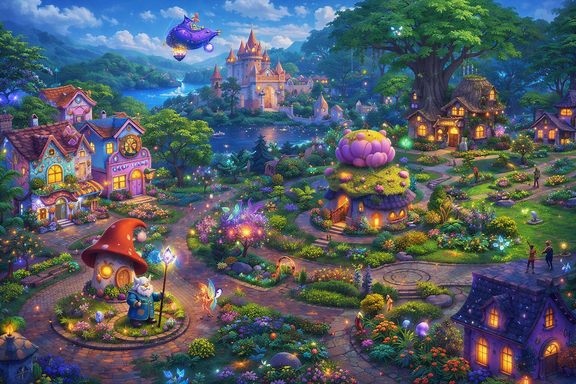
Instead of the open sandbox that defines the mainline series, The Sims Medieval was structured around specific objectives and hero characters — a monarch, a blacksmith, a spy, a wizard — each with their own storylines and mechanical roles within the kingdom. It was part life-sim, part RPG, part strategy game, and it worked in ways that surprised even skeptical fans. The tone was warmer and more whimsical than the sometimes absurdist humor of the mainline games, and the medieval aesthetic gave it a visual identity completely distinct from anything else carrying the Sims name.
The One Expansion and the Support Drought
The game received a single expansion, Pirates and Nobles, which added naval warfare, new hero classes, and additional story content. And that was it. No further DLC, no major updates, no ongoing support of the kind that transformed The Sims 4 into a decade-spanning platform. The contrast with EA’s treatment of its current flagship is stark — The Sims 4 received its most recent expansion, Royalty & Legacy, earlier this year, well over a decade after its base game launch.
The lack of post-launch investment was always The Sims Medieval’s biggest weakness. The gameplay loop, while genuinely fun, had a ceiling that became visible faster than in games with continuous content pipelines. Players who exhausted the available quests and hero combinations found themselves without new reasons to return, and the community — while dedicated — never reached the scale of the mainline series’ modding scene.
The Steam Removal Was a Warning Nobody Heeded
Crucially, this isn’t the first time The Sims Medieval has been pulled from a major platform. The game was removed from Steam back in 2016, a full decade ago, leaving EA’s own storefront as the only official place to purchase it digitally. Most players who noticed that Steam delisting wrote it off as a licensing or platform-specific decision and moved on, reassured that the game was still available somewhere. That reassurance is now gone entirely.
The sequence — Steam in 2016, EA store in 2026 — paints a picture of slow institutional abandonment rather than a sudden decision. EA has been quietly walking away from The Sims Medieval for years. What happened this week was just the last step.
Why the Timing Is Particularly Frustrating
Here’s what makes this delisting land especially badly: medieval simulation as a genre is in the middle of a genuine renaissance right now. Kingdom Come: Deliverance 2 became one of the most talked-about releases of early 2026. Manor Lords has been a consistent seller on PC. Crusader Kings 3 maintains an active and growing playerbase years after launch. The audience for games that put players in a medieval world and ask them to build a life within it has never been larger or more visible.
The Sims Medieval, with its accessible tone and Sims-brand familiarity, would have been a natural entry point for players curious about the genre who might find the complexity of Crusader Kings 3 or the historical grittiness of Kingdom Come off-putting. EA could have leaned into this moment — a re-release, a limited-time promotion, even just a blog post reminding people the game existed. Instead, they’ve quietly shut the door right as the room it leads to is filling up.
This is a pattern Dr Gamez has noted across the industry before. When Pandemic Studios’ Destroy All Humans was removed from digital stores prior to its 2020 remake, it at least had a clear commercial rationale attached to it. When EA delisted FIFA titles ahead of the EA Sports FC rebrand, there was a transparent public communication strategy. The Sims Medieval gets none of that consideration.
What This Means for Players Who Already Own It — And Those Who Don’t
If you already have The Sims Medieval in your EA library, you can breathe — existing owners retain access to what they purchased. That’s the standard position for digital delistings, and there’s no indication EA is doing anything so drastic as revoking ownership. From what we’ve seen in similar situations across the industry, previously purchased titles almost never become inaccessible to existing owners.
But for anyone who wanted to buy it for the first time — a new fan who discovered the Sims universe through The Sims 4, a returning player who missed it during its original run, a medieval game enthusiast who just found out it existed — the official options are now exhausted. Physical copies exist, but they’re increasingly rare and rising in price on secondary markets, as tends to happen when a title goes completely dark digitally.
The modding community had already been doing valuable preservation work on The Sims Medieval, producing content patches and compatibility fixes that extended the game’s life well beyond what EA provided officially. That community will likely become even more important now as the sole remaining active steward of the game’s ongoing health. It’s a situation the gaming preservation movement has been sounding the alarm about for years, and The Sims Medieval is now another entry in a growing list of examples.
EA’s Silence Is the Real Story Here
Delisting old titles happens. License expirations, server cost assessments, portfolio management decisions — there are legitimate business reasons a publisher might pull a game from sale, and not all of them require a public statement. What is harder to defend is the complete absence of communication, especially for a title with an established and vocal fanbase.
EA has not issued any statement explaining the removal, and given the company’s recent track record with game shutdowns and delistings, meaningful transparency feels unlikely. When EA shut down FC Tactical earlier this year, communication was similarly sparse. The pattern of removing games without context has become an expectation rather than an exception when it comes to EA’s treatment of older titles, and that’s a genuine problem for consumer trust.
Compare this to how CD Projekt Red handled older Witcher titles during its platform transitions, or how Valve has managed legacy titles on Steam with detailed communication about what changes mean for owners. The contrast in approach is significant, and EA consistently lands on the wrong side of it.
Conclusion: The Sims Medieval Deserved Better Than a Silent Exit
The Sims Medieval delisting is more than just the end of a purchase option for one game — it’s a reminder of how vulnerable beloved but underserved titles are to quiet institutional abandonment. A game that broke new ground for the franchise, introduced an entire generation of players to quest-driven life simulation, and built a devoted community despite minimal ongoing support deserved at least an acknowledgment on its way out.
With Project Rene on the horizon as a mobile-first spin-off and The Sims 4 still receiving expansion content, it’s increasingly clear that EA’s vision for the franchise’s future doesn’t have much room for experiments like The Sims Medieval. Whether that’s short-sighted, given the current medieval sim boom, is a conversation the community is already having loudly.
Dr Gamez will be watching to see whether EA provides any explanation or indication of what the future holds for the game’s availability — though based on past behavior, we’re not holding our breath.
Here’s our question for you: Do you think EA should release The Sims Medieval for free or bring it back on Steam given it’s been delisted — and do you think game preservation should be a legal obligation for publishers? Sound off in the comments.
