

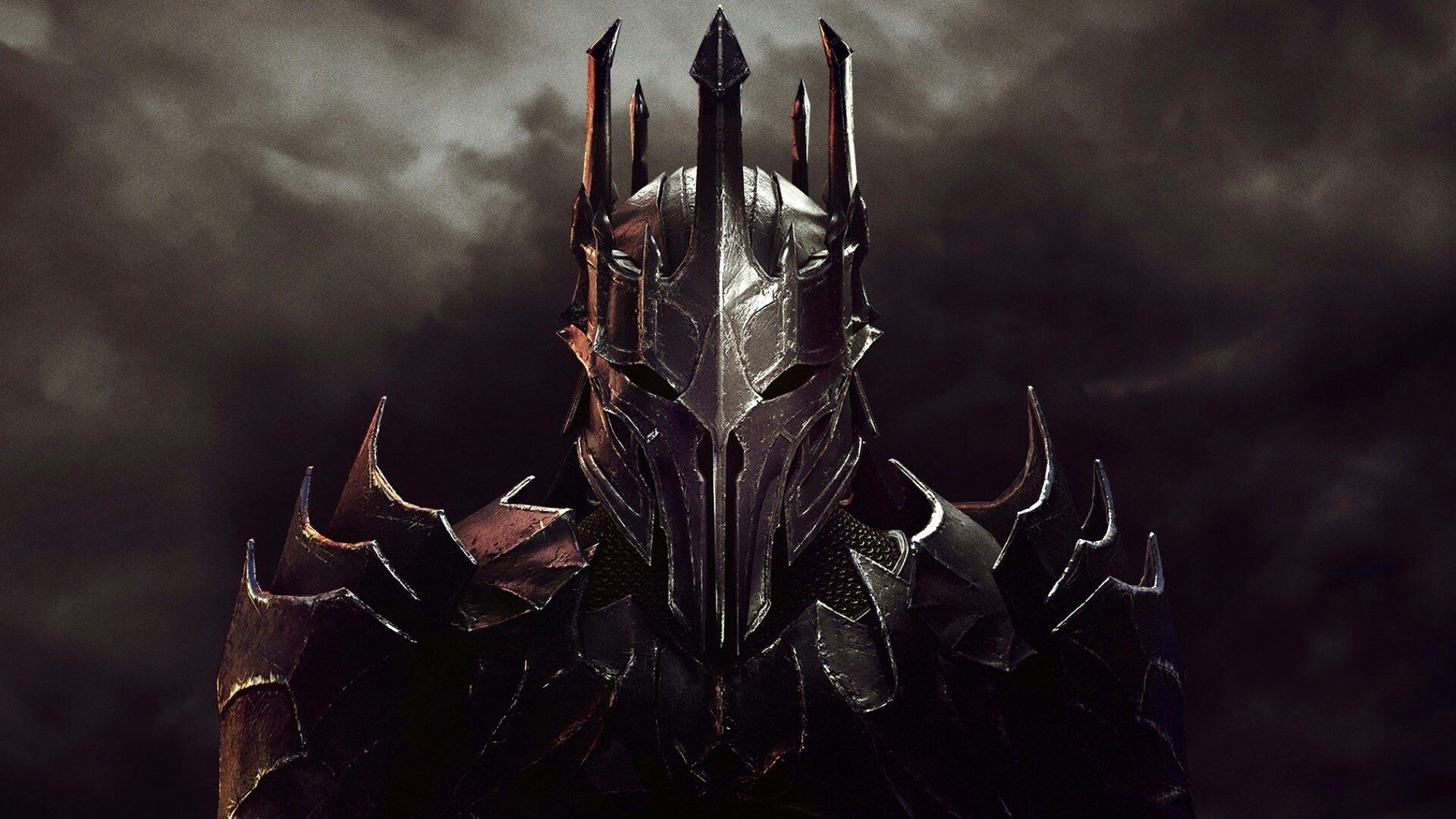
Amazon’s Lord of the Rings MMO Is Dead — And It Never Really Had a Chance
The gaming world got a gut punch this week. After months of whispers, leaks, and carefully worded corporate silence, Amazon has officially confirmed that its Lord of the Rings MMO has been canceled — a game that was announced with considerable fanfare back in May 2023, only to quietly collapse under the weight of Amazon’s chaotic internal restructuring. If you’ve been holding out hope for a grand return to Middle-earth in a massively multiplayer setting, it’s time to let that hope go. At least for now.
Dr Gamez has covered Amazon Games’ turbulent history closely over the past few years, and frankly, this cancellation isn’t a shock — but it still stings. Tolkien’s world is one of the most beloved fictional universes ever created, and the idea of an MMO that could rival the scope of that world was genuinely exciting. The reality, according to reporting from Eurogamer, turned out to be far messier than the fantasy.
The Lord of the Rings MMO Cancellation: What We Know
When Amazon announced its Lord of the Rings MMO three years ago, it positioned the project as a bold new chapter for the studio — a premium, expansive entry into the MMO space backed by one of the world’s largest companies. What the press releases didn’t mention was that at the time of announcement, the game barely had a dedicated team behind it.
A Game That Existed Mostly on Paper
According to sources close to the project cited by Eurogamer, Amazon revealed the game publicly before it had even assembled a proper development team. For years, only a handful of people — reportedly “one or two” — were working on it as a secondary project, not a flagship title. This is an extraordinary revelation. Announcing a major IP-backed MMO to the world and then assigning it the resources of a weekend side hustle is, to put it charitably, a bizarre strategy.
The project only gained real momentum just before Amazon’s catastrophic October 2025 layoffs, when over 1,000 developers were reportedly shifted from the struggling New World: Aeternum onto the Lord of the Rings project. That transition proved to be too little, too late.
The October 2025 Layoffs Sealed Its Fate
In October 2025, Amazon cut roughly 14,000 employees across the company. Amazon Game Studios was hit hard. In the immediate aftermath, a former senior gameplay engineer posted on LinkedIn hinting that fans “would have loved” what the team had been building — a bittersweet eulogy for a game the public had barely glimpsed. An internal memo allegedly from Amazon’s VP of Games, Steve Bloom, suggested the company was pulling back from AAA and MMO development broadly.
The cancellation had been effectively confirmed in spirit for seven months before Amazon finally made it official. That official confirmation came through Amazon’s Head of Games, Jeff Grattis, who told Eurogamer that the creative team is now “exploring a compelling new game experience” in Middle-earth rather than continuing the previously announced MMO. Translation: the game is gone, and whatever comes next will look very different.
Why This Matters for MMO Fans
The Lord of the Rings MMO cancellation isn’t just another corporate casualty — it lands differently because of what already exists in this space. The Lord of the Rings Online, developed by Daybreak Game Company, has been running continuously since 2007. Nineteen years in, it still maintains a devoted player base. That’s a remarkable achievement for any live-service game, and it set a compelling precedent: Middle-earth works as an MMO setting.
A Market Left Underserved
The appetite for a modernized Lord of the Rings MMO was real. From what we’ve seen in community spaces over the past few years, fans have been vocal about wanting something that brings Tolkien’s world into the current generation — with modern graphics, systems, and storytelling sensibilities. Amazon had the IP access, the budget in theory, and a ready-made audience. Squandering that opportunity through mismanagement is the kind of thing that frustrates not just gamers, but anyone who pays attention to how the industry operates.
For MMO enthusiasts specifically, this cancellation reinforces a grim pattern. The genre has struggled to produce landmark new entries in over a decade. Final Fantasy XIV remains the gold standard for modern MMO revivals (its own famous reinvention from a failed launch in 2010 to a beloved live game by 2013 stands as the genre’s greatest comeback story), and new entrants have largely disappointed. Amazon’s own New World launched to massive interest in 2021, then bled players rapidly. The Lord of the Rings MMO was supposed to be the company’s course correction. Instead, it became another entry on the genre’s growing list of what-ifs.
Amazon Games’ Troubled Track Record
It’s impossible to evaluate this cancellation without looking at Amazon Games’ broader history, and that history is not flattering. Amazon has now overseen the shutdown or cancellation of multiple high-profile gaming projects, including Crucible, which was pulled from the market less than two months after launch in 2020, and the ongoing struggles of New World: Aeternum and imported titles like Throne and Liberty and Lost Ark.
In our experience covering the studio since its early ambitions, Amazon Games has repeatedly demonstrated a pattern of announcing projects prematurely, scaling up without a coherent long-term plan, and then retreating when results don’t materialize quickly. The Lord of the Rings MMO appears to have followed exactly that playbook — announced before it was ready, under-resourced for years, and ultimately cut when the financial pressure became too great.
What’s left of Amazon’s MMO capability, according to Eurogamer’s report, is a skeleton crew focused on winding down existing live-service titles. That’s a sobering picture for a company that once positioned gaming as a major growth vertical.
What Comes Next for Middle-earth in Games?
Here’s where things get genuinely interesting. Amazon’s statement to Eurogamer was careful to say that the studio is still working on a Middle-earth game experience — just not the MMO. And back in March, Insider Gaming reported that Crystal Dynamics may be involved in a new Lord of the Rings project. Crystal Dynamics, the studio behind the Tomb Raider series, is already collaborating with Amazon on Tomb Raider: Legacy of Atlantis and Tomb Raider: Catalyst, which gives that pairing a credible foundation.
Could Crystal Dynamics Save Middle-earth?
If the Crystal Dynamics involvement proves accurate, it’s actually a reason for cautious optimism. The studio has a proven track record with narrative-driven action-adventure games, and a more focused single-player or co-op Middle-earth experience might be exactly what the IP needs rather than the enormous ongoing commitment an MMO demands. From what we’ve seen with IP-driven games in recent years, a tighter, more curated experience often outperforms an overambitious live-service bet.
The shift from MMO to something else isn’t necessarily a downgrade — it depends entirely on execution. What matters is that the right studio, with the right vision and sufficient resources, finally gets to build the Middle-earth game this generation deserves.
Conclusion: The Lord of the Rings MMO Deserved Better
The cancellation of Amazon’s Lord of the Rings MMO is ultimately a story about mismanagement overwhelming a great opportunity. Tolkien’s universe, with its richly detailed geography, cultures, and lore, is purpose-built for an MMO. The demand from players was always there. What was missing was the commitment from the people holding the purse strings.
Amazon announced this game to the world without a real team, let it stagnate for years, scrambled to staff it up at the last minute, and then cut it during a wave of mass layoffs. That’s not a development tragedy — that’s a failure of corporate stewardship. The good news is that Middle-earth isn’t going anywhere, and there’s still a chance that whatever emerges from the ashes of this project will be worth the wait.
We’d love to hear from the Dr Gamez community on this one: was an Amazon-developed Lord of the Rings MMO ever really going to work, or was this cancellation inevitable from the moment it was announced? Drop your thoughts in the comments below.
