

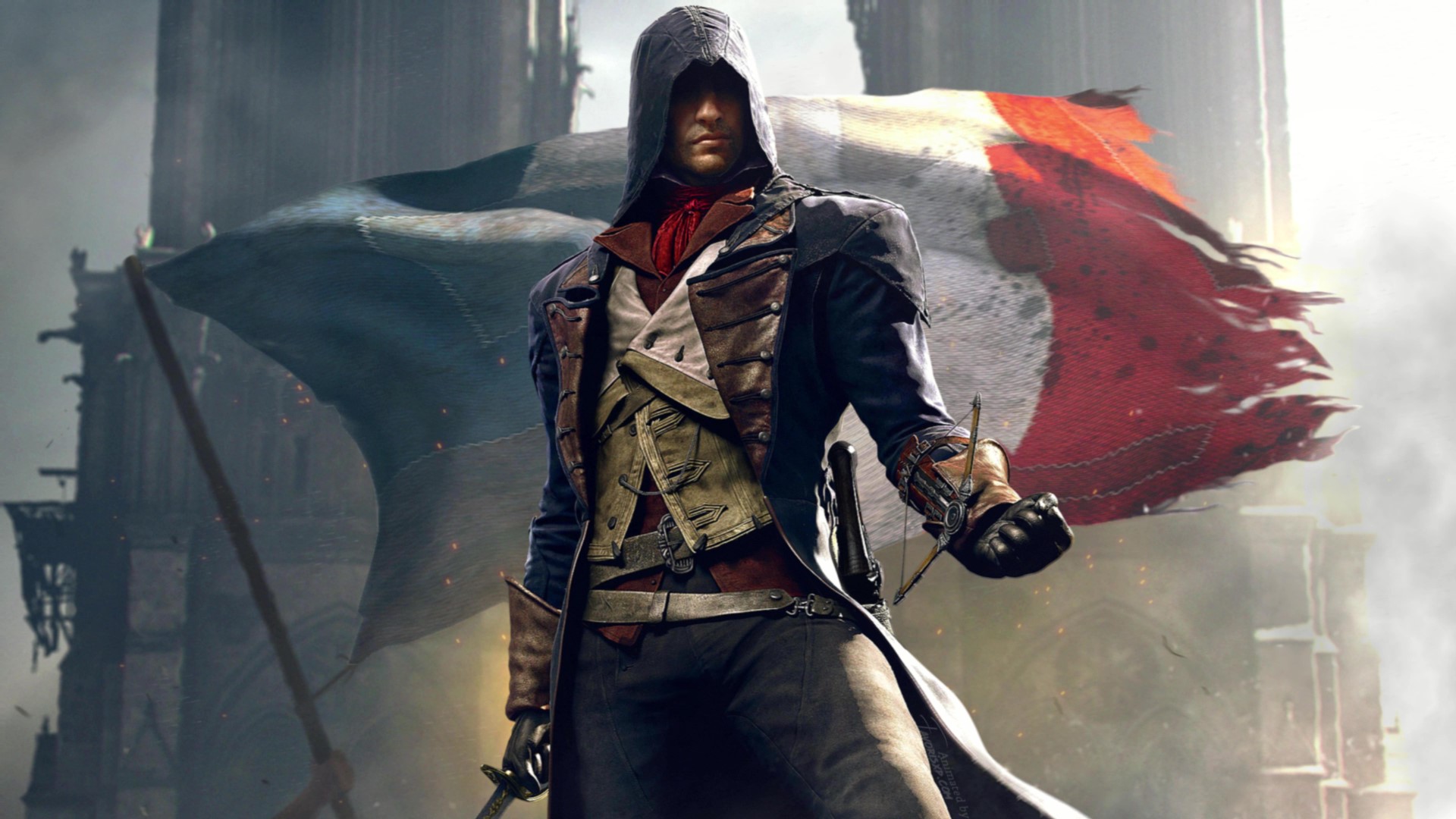
Assassin’s Creed Black Flag Resynced Officially Announced: Release Date, New Features, and Everything You Need to Know
The Caribbean Is Calling Again — and This Time It Looks Incredible
There are certain games in gaming history that don’t just get remembered — they get mythologized. Assassin’s Creed Black Flag is one of those rare titles that, over a decade after its original release, people still talk about with genuine warmth. Not as a nostalgia trip, not out of habit, but because the experience of steering the Jackdaw through stormy seas, harpooning sharks at sunset, and singing sea shanties with your crew was genuinely unlike anything else the medium had offered. It captured a specific kind of freedom that open-world games still struggle to replicate.
Now Ubisoft has made it official. Assassin’s Creed Black Flag Resynced is real, it’s in development, and it’s targeting a late 2026 release window. The announcement confirmed that this isn’t a simple resolution bump and performance patch masquerading as a remake — Resynced is a ground-up reimagining built on the next-generation Anvil engine, the same foundational technology that powered Assassin’s Creed Shadows. That distinction matters enormously, and it shapes what players should actually expect when they finally return to the Golden Age of Piracy.
Why Black Flag Deserved This Treatment
The Game That Broke the Formula — in the Best Way
When Assassin’s Creed Black Flag launched in 2013, it arrived at a moment when the franchise was beginning to show structural fatigue. The original formula — hidden blades, historical settings, rooftop parkour, Abstergo’s modern-day conspiracy — was still functional, but the edges were starting to wear. What the series needed was something genuinely surprising.
Black Flag delivered by doing something audacious: it made the pirate fantasy the main event and treated the Assassin’s Creed mythology as a backdrop. Edward Kenway wasn’t a trained assassin with a noble cause. He was a reckless, self-interested privateer who stumbled into a war he didn’t fully understand, and his arc — the slow transformation from opportunist to someone who genuinely grasped the stakes of the conflict around him — was one of the franchise’s most compelling character journeys.
The naval combat system, introduced properly for the first time in Black Flag, became a landmark moment in open-world design. The ocean wasn’t a barrier between locations; it was a living, breathing environment with its own weather systems, its own dangers, and its own sense of possibility. Boarding enemy ships, managing your fleet, hunting legendary sea creatures — none of it felt like side content. It all fed into the same feeling of being genuinely, thrillingly alive on the water.
Why Now Is the Right Time for a Remake
A decade-plus of distance from an original release is generally the sweet spot for remakes. Long enough that revisiting the world feels like a genuine return rather than a cash-in sequel, close enough that the team can build on the original’s legacy with an audience that remembers why it mattered. Ubisoft has also been under significant commercial pressure in recent years, and Resynced represents both a creative opportunity and a strategically safe bet — a project with a built-in audience, a beloved setting, and a clear mandate to deliver something meaningful.
The choice to use the Anvil engine in its current form rather than a legacy version is the clearest signal that Ubisoft is treating this project seriously. The technology gap between what was possible in 2013 and what the engine can produce now is enormous, particularly in the areas that matter most for Black Flag: water rendering, lighting at sea, draw distances across open ocean, and the physical simulation of ships moving through dynamic weather.
What Resynced Is Actually Changing
Naval Combat Rebuilt From the Keel Up
The original Black Flag’s naval system was genuinely ahead of its time, but it was also working within hard technical constraints. Storms were dramatic but largely scripted. Wave physics were convincing but fundamentally surface-level. Enemy ship AI followed predictable patterns once you learned them.
Resynced is rebuilding the entire naval layer using physics and simulation systems developed for Assassin’s Creed Shadows and refined further for this project. Ocean waves will interact with the Jackdaw’s hull dynamically, meaning the ship actually responds differently depending on sea state, wind direction, and the angle of engagement. Storms won’t just change how the screen looks — they’ll change how you have to fight. Cannon accuracy drops in heavy swell. Positioning becomes critical when the wind is against you. The sea stops being a backdrop and starts being an active participant in every naval encounter.
The visual fidelity of cannon impacts, boarding sequences, and the moment a rival ship begins to list and sink has also been dramatically upgraded. The goal, based on what Ubisoft has shared, is for every naval engagement to feel like a set piece rather than a routine encounter.
A Story That Finally Gives Edward His Full Due
The narrative overhaul in Resynced addresses one of the original game’s few genuine weaknesses. The modern-day sections set inside Abstergo’s corporate offices — while conceptually interesting — consistently broke the momentum of Edward’s story and left many players feeling like they were being pulled out of the experience they actually wanted to have.
Resynced is significantly reducing these sections, redistributing their narrative weight and streamlining the modern-day framing so it no longer interrupts the historical adventure at critical moments. This is the right call. The Abstergo segments were always the weakest part of the original game structurally, and removing their friction will allow the pirate narrative to breathe in ways it couldn’t before.
The more exciting addition is the expansion of Edward’s own story through new missions and sequences, particularly in areas that the original game gestured toward but never fully explored. Characters like Mary Read — one of the most compelling figures in the original — are receiving deeper treatment, with scenes and interactions that add texture to relationships the first game sometimes handled too efficiently.
The core arc remains intact. This is still Edward Kenway’s story, still set during the Golden Age of Piracy, still built around the conflict between the Assassins and the Templars. What changes is the room given to the characters and the world to develop at a pace that serves the drama rather than the content checklist.
Seamless Exploration and Modernized RPG Systems
One of the most immediately noticeable changes in Resynced will be the elimination of loading screens between land and sea. In the original game, transitioning from sailing to exploring a port or island required a brief interruption. It was a small thing by 2013 standards, but by modern expectations it breaks immersion in a way that would feel increasingly dated.
Resynced removes that break entirely. Sailing toward a port, dropping anchor, and walking your crew ashore will happen in a single continuous sequence. The world will feel genuinely connected in a way the original couldn’t achieve, and it will fundamentally change how exploration feels moment to moment.
The fleet management system and crew loyalty mechanics are also being rebuilt along modern action-RPG lines. Managing your pirate fleet will carry real strategic weight, with crew dynamics, ship upgrades, and cargo distribution all feeding into the broader experience in ways that are more sophisticated and more consequential than what the original offered. These systems won’t overwhelm — they’ll deepen.
What This Means for Players: Veteran Fans and New Arrivals
For anyone who played the original Black Flag and carries affection for it, Resynced is being built to honor that relationship while giving you genuine reasons to experience the story again. The foundations are respected; everything built on top of them is better.
For players who never played the original — whether because they were too young, came to the franchise late, or simply missed it — Resynced is the most complete and accessible version of one of gaming’s great open-world adventures. You don’t need franchise history to enjoy Edward Kenway’s story. You just need to want to sail.
Release Window and What Comes Next
Ubisoft has confirmed a late 2026 target for Resynced, with the first significant gameplay showcase expected at an upcoming Ubisoft Forward event. That showcase will be the real test — the moment when we move from concept and confirmed features to actual footage of the rebuilt Caribbean in motion. If what Ubisoft has described translates to the screen the way it reads on the page, that showcase is going to generate serious excitement.
The broader context of Ubisoft’s current situation — commercial pressure following mixed critical reception for some recent releases, plus the ongoing navigation of a challenging market — makes Resynced more than just a fan-service project. It’s also a statement about what the company can deliver when it applies its best technology and genuine creative investment to a property it knows resonates with players.
Conclusion: The Legend Deserves This Second Voyage
Assassin’s Creed Black Flag Resynced isn’t just a remake — it’s Ubisoft making a deliberate argument that the best experiences from gaming’s recent history deserve to be preserved, expanded, and handed to a new generation in the best possible form. Edward Kenway’s story, the Jackdaw, the open Caribbean, the shanties and the storms and the horizon that always held something worth chasing — all of it is coming back, rebuilt from the ground up for hardware and players that can finally do it full justice.
Whether you’re returning to the sea or stepping aboard for the first time, late 2026 suddenly looks like a very good time to be a gamer. Are you excited for Resynced? What do you most want to see improved from the original — or what are you most afraid they’ll change? Drop your thoughts in the comments below and let’s talk about one of the most exciting remake announcements in years.
