

Gamepires Joins Splash Damage for a New Era
The gaming industry rarely stands still, and studio acquisitions are one of the clearest signals of where the market is heading. The news that Gamepires — the Croatian studio behind the survival hit Scum — has joined forces with Splash Damage under a deal backed by Emona Capital is one of the more significant restructuring stories of 2026. It reshapes the future of both studios and raises important questions about what comes next for one of survival gaming’s most dedicated player communities.
Who Are Gamepires?
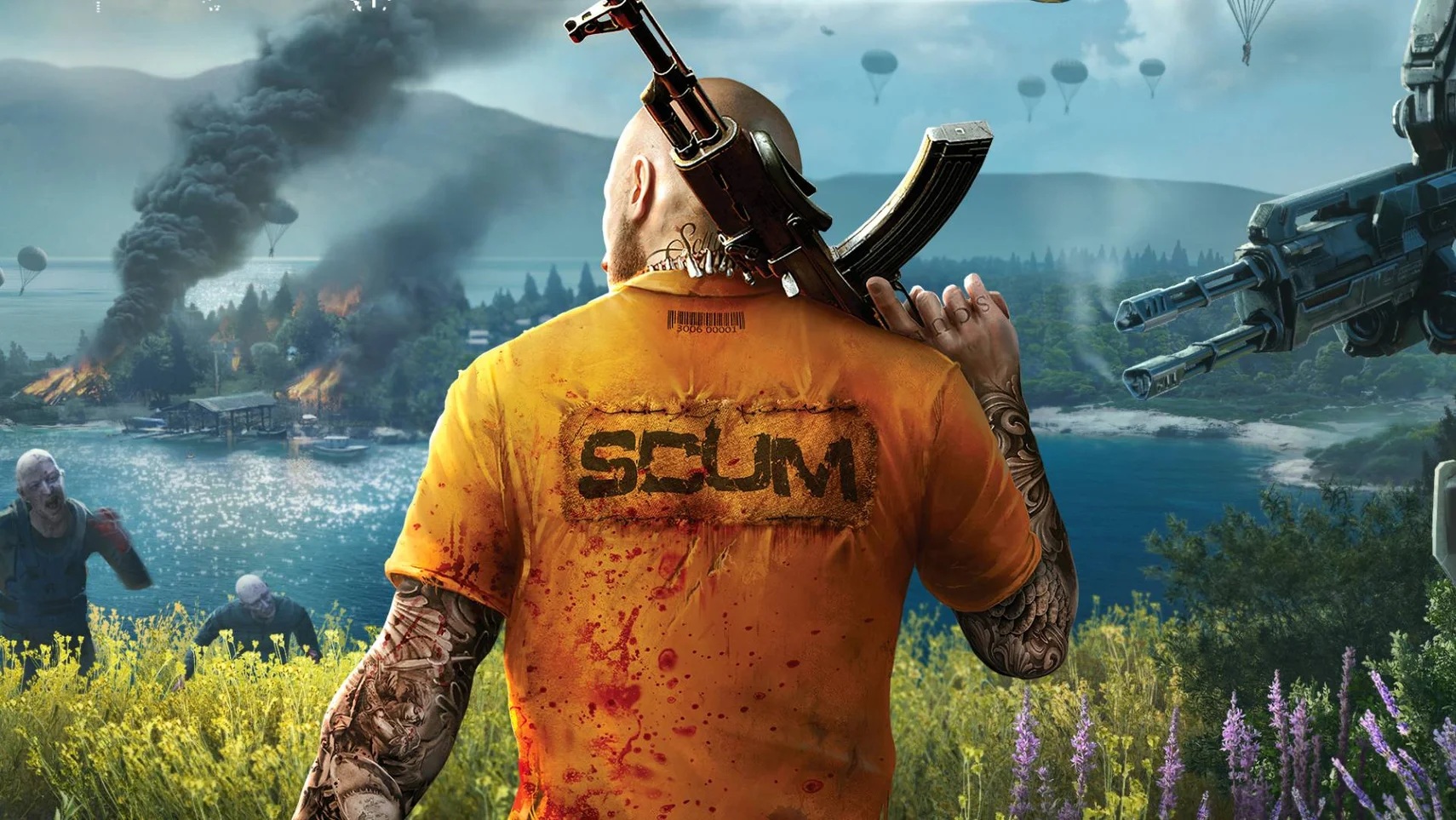
To understand why this acquisition matters, you need to understand what Gamepires has built. Founded in Zagreb, Croatia, Gamepires is the team responsible for Scum — an open-world survival game that launched into early access on Steam in August 2018 and immediately caught the industry’s attention.
The numbers tell the story clearly. Scum sold one million copies within its first month of early access, a remarkable achievement for an independent studio releasing into an already crowded survival genre. The game distinguished itself through its unusually detailed simulation systems — metabolism tracking, skill development, and a level of character customization that went far beyond what competitors were offering.
After years of consistent early access development, Scum reached its full release in 2025 and has since approached six million total sales. For a game that spent years being quietly developed by a relatively small team, that figure represents a genuinely impressive commercial success and a loyal, invested player base.
Who Are Splash Damage?
Splash Damage is a British studio with a long history in multiplayer first-person shooters. Founded in 2001, the studio built its reputation working on games like Wolfenstein: Enemy Territory and Enemy Territory: Quake Wars before developing its own IP with titles like Dirty Bomb and Gears Tactics.
The studio has always operated at the intersection of team-based multiplayer and tactical gameplay — a space that requires deep technical expertise and a strong understanding of competitive player behavior. That background makes Splash Damage a natural fit for a partnership with Gamepires, whose live-service experience with Scum complements the multiplayer DNA Splash Damage has spent decades developing.
The Road to This Deal: From Jagex to Emona Capital
The path to this acquisition is worth tracing. Gamepires was originally acquired by Jagex in 2022. Jagex, the British studio best known as the creator of RuneScape, was expanding its portfolio at the time and saw Gamepires’ live-service expertise as a valuable addition.
However, corporate strategies shift. Jagex has since chosen to refocus its efforts entirely on the RuneScape brand — a decision that makes considerable sense given the franchise’s enduring popularity and dedicated player base. RuneScape represents a uniquely stable long-term IP, and concentrating resources on it rather than maintaining a diverse studio portfolio is a defensible strategic call.
The sale of Gamepires to Splash Damage, facilitated by Emona Capital, represents that strategic refocus in action. For Jagex, it is a clean exit that lets them concentrate fully on what they do best. For Gamepires and Splash Damage, it is the beginning of something potentially much more interesting.
Leadership Changes at Splash Damage
Alongside the acquisition news came a significant leadership transition. Ben Hopkinson, who had been serving as Splash Damage’s CFO, has stepped into the CEO role as part of the restructuring.
Leadership transitions during periods of studio consolidation are always worth watching carefully. A CFO moving into the top position signals a focus on financial sustainability and disciplined growth — exactly what you would expect from a studio that has recently undergone restructuring and is now expanding through acquisition. Hopkinson’s financial background suggests that Splash Damage’s next chapter will be built on careful resource allocation rather than aggressive spending.
What This Means for Scum
For the Scum community, the central question is simple: what does this change mean for the game they have spent years playing and supporting?
The official statements from both studios have been broadly reassuring. The acquisition is framed as an opportunity to expand the Scum brand rather than wind it down or pivot it dramatically. With Splash Damage’s multiplayer expertise now available as a resource, there is genuine potential to develop Scum’s cooperative and competitive elements in ways that the game has always hinted at but never fully realized.
Scum’s design has always had a tension at its core — it is simultaneously a deeply personal solo survival experience and a multiplayer sandbox where player interaction, conflict, and cooperation drive the most memorable moments. How Splash Damage’s influence shapes that balance going forward is one of the most interesting questions the acquisition raises.
Six million sales across a multi-year early access period demonstrates that there is a substantial audience for what Scum offers. The new ownership structure gives the studio resources and expertise to serve that audience more effectively — if the transition is managed well.
New Premium Projects on the Horizon
Beyond Scum, the official statements from both studios reference plans for new premium projects and expanded co-development initiatives. This is where the acquisition becomes particularly interesting from a broader industry perspective.
Splash Damage’s multiplayer expertise combined with Gamepires’ live-service experience creates a development team capable of working across a wide range of project types. Premium multiplayer games — titles that charge upfront rather than relying purely on free-to-play monetization — have seen a genuine resurgence in recent years as players grow increasingly fatigued by aggressive live-service models. A studio with the combined DNA of Splash Damage and Gamepires is well positioned to operate in that space.
The co-development angle is also worth noting. Rather than simply absorbing Gamepires into Splash Damage’s existing structure, the framing suggests a more collaborative relationship where both studios contribute their distinct strengths to shared projects. That approach, if executed well, tends to produce better results than straightforward acquisitions where the smaller studio loses its identity.
The Bigger Picture: Industry Consolidation Continues
The Gamepires and Splash Damage deal is part of a broader pattern of studio consolidation that has defined the games industry in recent years. As development costs rise and the market becomes more competitive, smaller and mid-sized studios are increasingly finding that partnerships and acquisitions offer more stability than going it alone.
What makes this particular deal interesting is that it is not a large publisher absorbing a small studio — it is two independent studios of similar scale joining forces, with private equity backing providing the financial foundation. That structure preserves more creative autonomy than a typical publisher acquisition while still providing the resources needed to compete in an increasingly expensive market.
For players, developers, and industry observers alike, the new Splash Damage and Gamepires partnership is worth following closely. The combination of complementary expertise, an established IP in Scum, and stated ambitions for new premium projects creates the conditions for something genuinely significant to emerge.
Whether that potential is realized depends entirely on execution. But the foundation being built here is a solid one.
