Assassin’s Creed’s Cancelled Blockchain Project Revealed
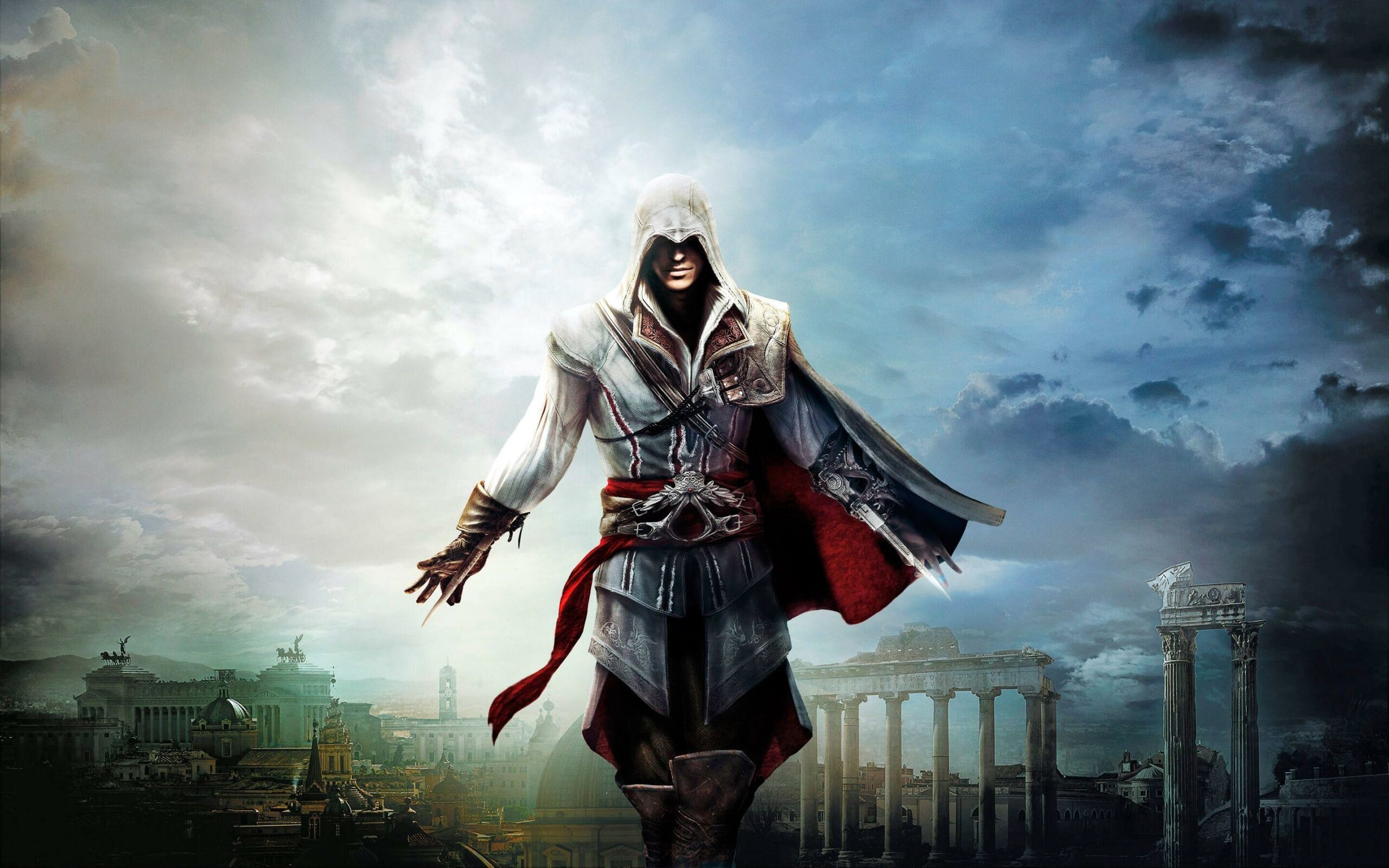
Ubisoft’s flagship franchise Assassin’s Creed is making headlines not for a new historical setting or gameplay mechanic, but for a project that never saw the light of day. Reports suggest that several years ago, the company experimented with bringing the series into the blockchain space—only to quietly cancel the idea.
Codenamed Assassin’s Creed Singularity, the project was envisioned as a Web3-powered digital card game. Designed for PC and mobile platforms, it would have been a radical departure from the franchise’s traditional open-world stealth and assassination gameplay.

The project reportedly remained in development for a few years before being shelved as part of Ubisoft’s restructuring efforts. Industry observers point to the decline of blockchain/NFT hype and strong player backlash as key reasons. Many publishers once pursued similar ventures, but shifting market sentiment led to widespread cancellations.
Ubisoft’s consideration of integrating Assassin’s Creed into blockchain reflects the spirit of that era, when NFTs and Web3 were touted as “the next big leap.” Yet for Assassin’s Creed, the experiment ended before becoming a long-term strategy.
Importantly, the cancellation has not disrupted the franchise’s main trajectory. Projects such as the multiplayer-focused Invictus, the Black Flag remake known as Obsidian, and the codenamed Neo remain in active development. In short, Assassin’s Creed has returned to a more familiar, player-focused path, leaving its blockchain detour behind.